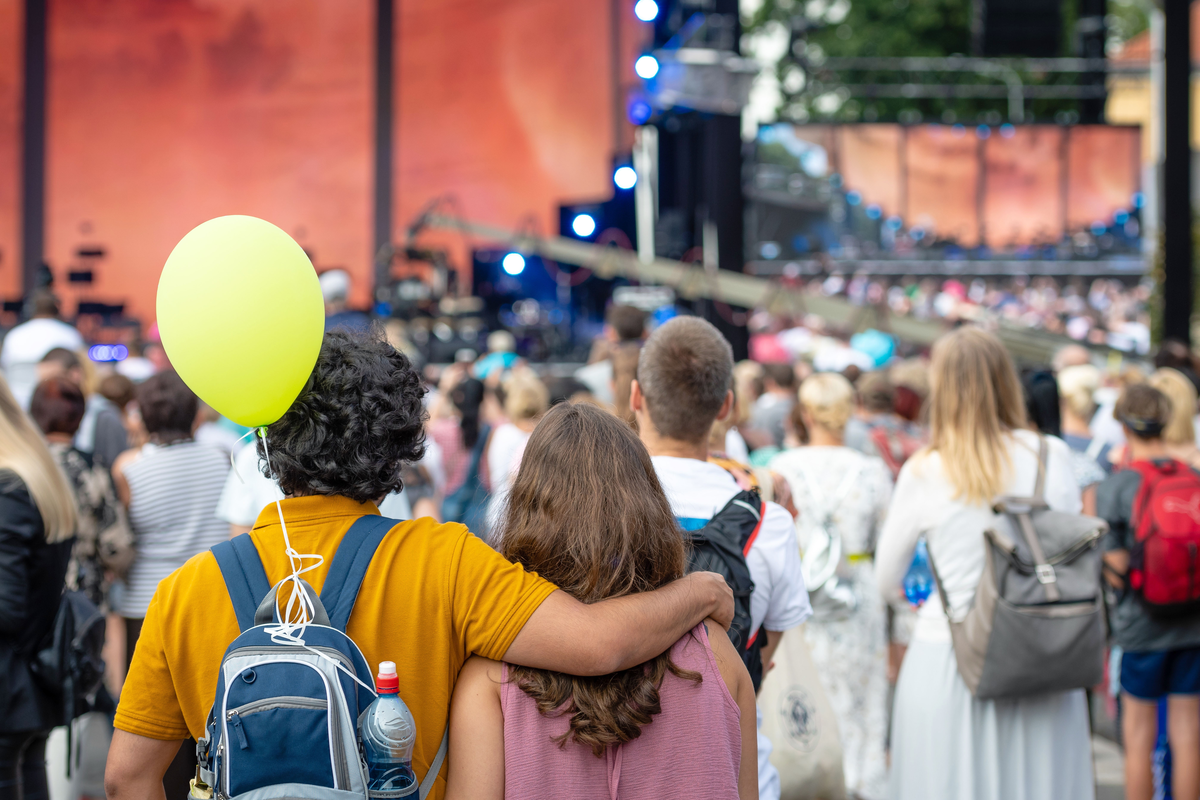
Arlington, TX is home to some of Texas’s largest sports venues, concert arenas, and entertainment districts. For nearby businesses, game days, festivals, and major events can bring a surge of customers and revenue. They can also introduce temporary risks that differ significantly from normal daily operations. If your business experiences spikes in traffic tied to events, your business insurance program should reflect those changing conditions.
Many companies plan for staffing and inventory increases during busy periods but overlook how crowd-related exposure can affect liability and property risk.
Increased Foot Traffic Raises Premises Liability
When attendance in the area surges, sidewalks, parking lots, and storefronts can become crowded. More people moving through your space increases the likelihood of slips, trips, and accidental injuries. Temporary conditions such as wet floors from rain, spilled drinks, or worn walkways can amplify the risk.
Premises liability claims often arise from everyday hazards rather than dramatic accidents. Even a minor incident can lead to medical costs or legal expenses if a customer alleges negligence. Businesses that host watch parties, promotional events, or extended hours should confirm that their general liability insurance reflects the higher visitor volume and activities.
If you regularly organize in-store promotions or gatherings during major events, it may help to review practical considerations for businesses that host events, which explains how temporary setups can introduce new hazards.
Temporary Setups Create Hidden Hazards
Special events often require changes to the physical environment. Businesses may add outdoor seating, promotional displays, tents, extension cords, signage, or portable equipment. While these additions help attract customers, they can also create obstacles that did not exist during normal operations.
Examples of common event-related hazards include:
• Power cables crossing walkways
• Temporary lighting or sound equipment
• Portable food stations or beverage areas
• Additional seating in tight spaces
• Decorative structures or banners
If these elements are installed quickly or removed late at night, they may not receive the same safety checks as permanent fixtures. Proper planning and documentation can reduce the likelihood of accidents and support your defense if a claim arises.
Vendor and Contractor Relationships Add Complexity
Large events often involve third parties such as food vendors, entertainers, cleaning crews, or security personnel. Even if these parties operate independently, your business could still face liability if an incident occurs on your premises.
Contracts and certificates of insurance play a key role in managing these exposures. Some businesses require vendors to carry their own coverage and list the host as an additional insured. Understanding how different policies interact can prevent confusion during a claim. For a deeper look at overlapping exposures, consider how multiple liability coverages may apply to a single incident.
Parking and Traffic Risks Should Not Be Overlooked
Event traffic can affect not only customers but also your employees and property. Congested parking areas increase the likelihood of vehicle accidents, pedestrian injuries, and property damage. Businesses that manage private lots or valet services may face additional exposure.
If employees drive company vehicles to shuttle supplies or staff during busy periods, auto-related risks also increase. Reviewing vehicle use policies and coverage limits before peak seasons can help prevent unpleasant surprises later.
External safety guidance from the Occupational Safety and Health Administration emphasizes the importance of managing crowd movement, temporary structures, and workplace hazards during large gatherings.
Property Damage and Theft Risks Increase During Events
High-traffic days can strain facilities and security systems. Doors may be left open longer, inventory may be displayed outdoors, and staff may be focused on customer service rather than monitoring suspicious activity. This environment can increase the chance of vandalism, theft, or accidental damage.
Businesses located close to stadiums or entertainment districts sometimes experience overnight risks as well, particularly after late events. Reviewing property protection measures and emergency procedures is a prudent step before busy seasons.
A Practical Event-Season Insurance Checklist
Arlington businesses can prepare for peak activity by reviewing the following:
• Confirm liability limits reflect increased attendance
• Inspect walkways, entrances, and parking areas
• Document temporary setups and safety measures
• Verify vendor insurance requirements
• Review employee responsibilities during events
• Reassess property protection and security procedures
These steps help ensure that your insurance program aligns with real-world operations rather than standard conditions.
Why Planning Ahead Matters
Event-driven business can be highly profitable, but it requires preparation beyond staffing and logistics. Insurance policies are typically written based on typical operations, not occasional surges in activity. Proactively reviewing coverage allows you to address potential gaps before a claim occurs.
Arlington’s entertainment landscape creates unique opportunities for local companies. Aligning your insurance protection with those opportunities helps safeguard your business while you capitalize on peak demand.
Frequently Asked Questions
Q: Do I need different coverage for occasional high-traffic days?
A: Not necessarily, but your existing policy should reflect the increased exposure if busy periods are predictable or recurring.
Q: Should vendors carry their own insurance during events?
A: Many businesses require it, especially for food service or entertainment providers. Contracts should clearly define responsibilities.
Q: What is the most common oversight during event planning?
A: Failing to account for temporary hazards such as cables, outdoor structures, or crowd flow changes.
Preparing Your Arlington Business for Busy Seasons
Major events can bring tremendous visibility and revenue to Arlington businesses, but they also heighten the potential for accidents and claims. Reviewing your business insurance before peak seasons helps ensure that your protection matches the way your business actually operates during these high-demand periods. If you want guidance tailored to your location and operations, contact us to discuss how your current coverage supports your busiest days.
Disclaimer: This article is for general informational purposes only and does not constitute legal, tax, or insurance advice. Specific coverage decisions should be discussed with a licensed insurance professional.