Summer can be one of the busiest times of year for small businesses. More customers, longer hours, seasonal events, outdoor activity, and temporary staff can all help increase revenue. They can also raise the chance of accidents that lead to general liability claims.
General liability insurance helps address common third-party claims involving bodily injury, property damage, and certain personal or advertising injury allegations. Before summer activity increases, it is a good idea to review whether your coverage still matches how your business operates.
Slip, Trip, and Fall Claims
Customer injuries are among the most common liability concerns during busy months. Rain, wet floors, crowded entrances, uneven walkways, cords, displays, and outdoor seating areas can all create hazards.
Businesses should inspect high-traffic areas regularly and document safety procedures. Reviewing general liability insurance for customer-facing businesses can help clarify how coverage may respond when a third party alleges injury on your premises.
The Occupational Safety and Health Administration provides guidance on reducing slip, trip, and fall hazards, including walkway conditions, housekeeping, and hazard awareness.
Property Damage Claims
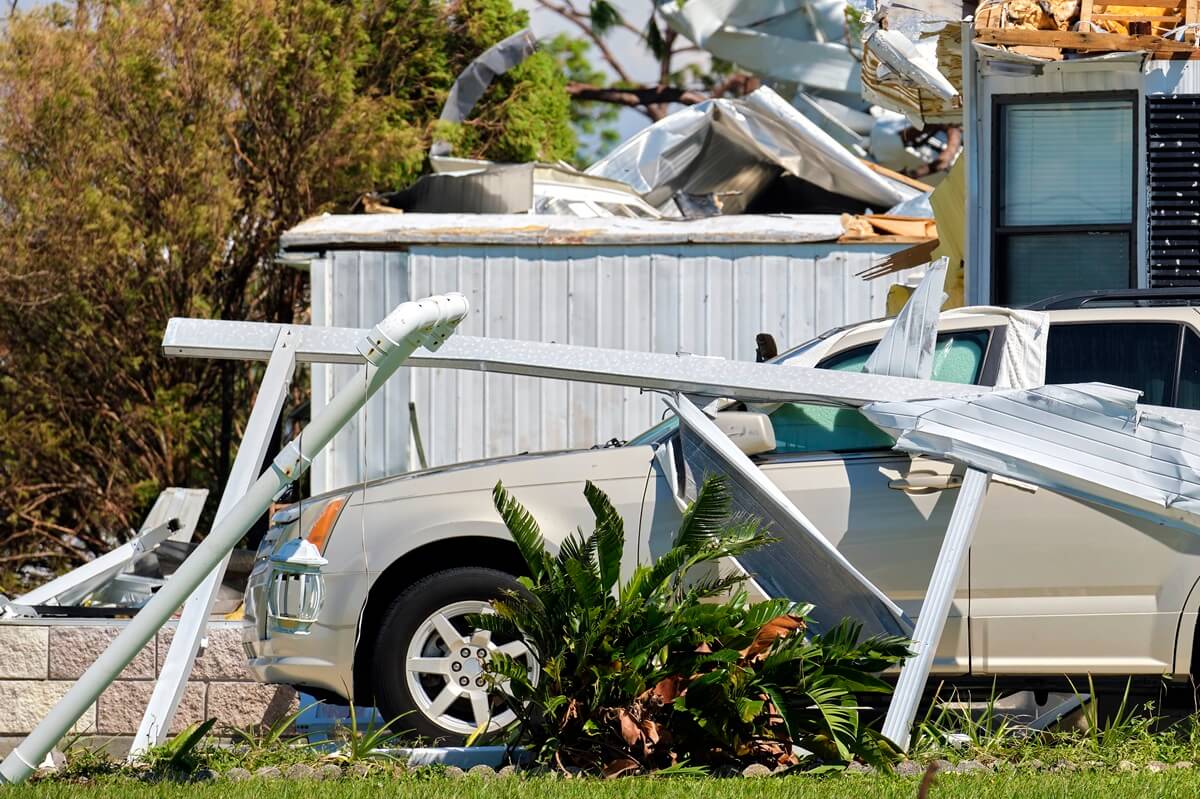
Busy summer activity can also increase the chance of accidental property damage. A contractor may damage a client’s flooring, an employee may break a customer’s item, or temporary equipment may cause damage at a rented venue.
These claims can happen quickly, especially when businesses are moving faster than usual. For more context, common liability claim examples can help show how everyday incidents may turn into insurance matters.
Event and Vendor-Related Claims
Summer often brings workshops, open houses, festivals, promotions, and customer appreciation events. These activities can create liability exposure if attendees are injured, property is damaged, or temporary setups create hazards.
Businesses should confirm vendor insurance requirements, document event details, and review contracts before the event begins. It may also help to review coverage considerations for hosted events before seasonal activities get underway.
Advertising and Reputation-Related Claims
General liability may also include certain personal and advertising injury claims. During busy seasons, businesses often increase promotions, social media posts, signage, and local advertising. This can create risk if marketing materials unintentionally use protected content, make disputed claims, or create confusion with another business.
Before launching seasonal campaigns, review advertising language, images, and promotional claims carefully.
Key Takeaways
• Summer activity can increase customer injury and property damage claims.
• Events, vendors, and temporary setups should be reviewed before they begin.
• Marketing activity can create advertising-related liability exposure.
• Coverage should reflect seasonal changes in operations, not only normal business days.
Frequently Asked Questions
Q: What does general liability insurance usually cover?
A: It commonly addresses third-party bodily injury, property damage, and certain personal or advertising injury claims.
Q: Do small events increase liability risk?
A: Yes. Even small workshops or promotions can create hazards if customers, vendors, or temporary setups are involved.
Q: Should coverage be reviewed before summer?
A: Yes. Seasonal changes in traffic, staffing, events, or operations can affect risk.
Preparing Before the Busy Season
Busy summer months can be good for business, but they also increase the chance of liability claims. Reviewing your general liability insurance before activity picks up can help identify gaps and reduce uncertainty if an incident happens. Contact us to discuss how your current coverage supports your summer operations.
Disclaimer: This article is for general informational purposes only and does not constitute legal, tax, or insurance advice. Specific coverage decisions should be discussed with a licensed insurance professional.