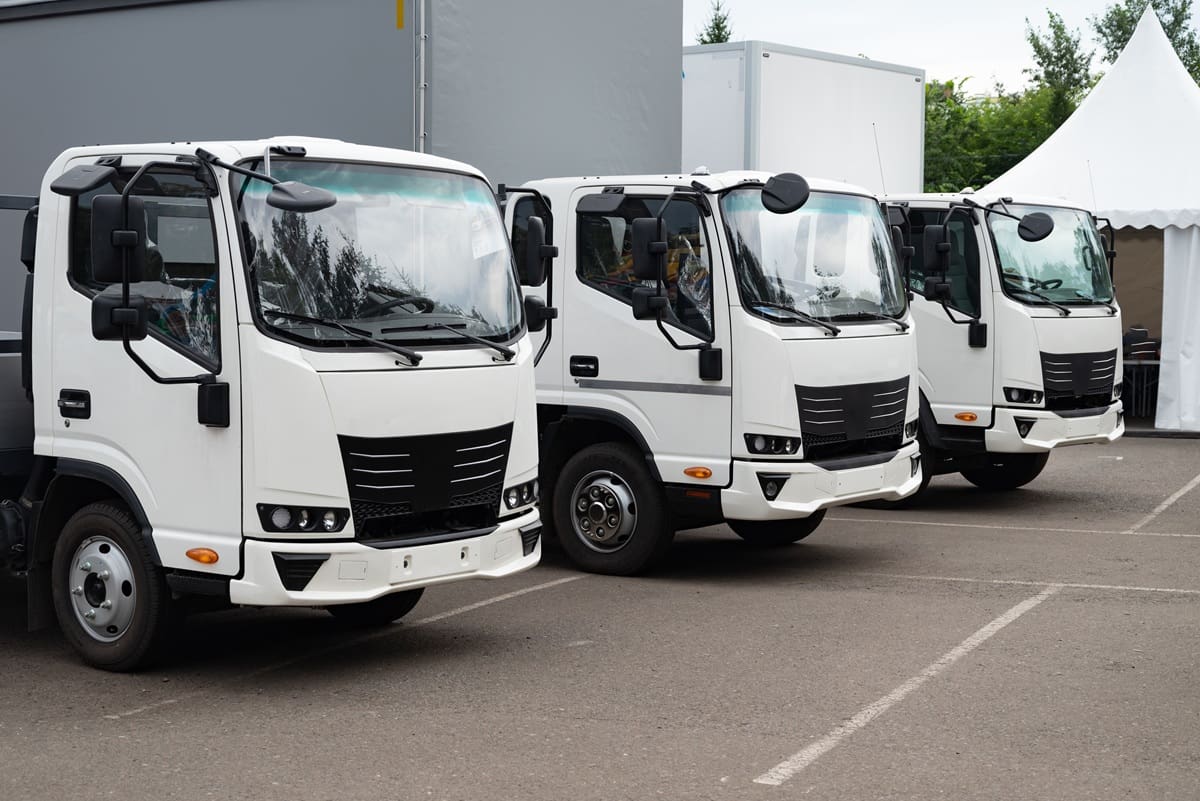
As your business grows, adding vehicles can improve efficiency, expand your service area, and support higher demand. Whether you are building a small fleet for the first time or scaling an existing one, fleet expansion introduces new risks that should be reflected in your business insurance program.
Many companies focus on the operational benefits of adding vehicles but overlook how quickly exposure can increase. A larger fleet means more drivers, more time on the road, and a greater chance of accidents, liability claims, or vehicle-related losses.
More Vehicles Mean More Exposure
Each additional vehicle increases your overall risk profile. Even if your drivers are experienced and your routes are familiar, more vehicles on the road naturally increase the likelihood of incidents.
Common exposures include:
• Accidents involving third parties
• Damage to company vehicles
• Injuries to employees or others
• Claims involving multiple vehicles
• Increased legal and repair costs
As your fleet grows, it becomes more important to review how business auto insurance supports commercial vehicle operations, especially when multiple vehicles are involved in daily activity.
Driver Management Becomes More Important
Fleet expansion often means hiring additional drivers or assigning driving responsibilities to more employees. This can introduce variability in experience, training, and driving habits.
Establishing clear policies helps reduce risk. Businesses should consider:
• Driver qualification standards
• Motor vehicle record (MVR) checks
• Ongoing safety training
• Guidelines for vehicle use
• Procedures for reporting incidents
Even small differences in driver behavior can significantly affect claim frequency and severity.
Vehicle Use May Change With Growth
As operations scale, vehicles may be used in new ways. A company that once handled local deliveries may expand into regional routes, or a service business may begin covering multiple cities in a single day.
These changes can affect:
• Distance traveled
• Driving conditions
• Time spent on the road
• Type of cargo or equipment transported
Businesses should review how these shifts impact coverage and ensure that policies reflect real-world use. You can explore how liability exposure evolves in field-based operations to better understand how vehicle use ties into broader risk.
Maintenance and Vehicle Condition Affect Risk
As fleets grow, maintaining vehicles becomes more complex. Regular inspections, servicing schedules, and recordkeeping are essential to keeping vehicles safe and reducing the likelihood of breakdowns or accidents.
Poor maintenance can lead to:
• Mechanical failures on the road
• Increased accident risk
• Higher repair costs
• Potential liability if negligence is involved
External guidance from the National Highway Traffic Safety Administration emphasizes the importance of vehicle maintenance and driver awareness in reducing crash risk across commercial fleets.
Insurance Structure Should Scale With Your Fleet
A growing fleet may require adjustments to your insurance structure. Limits that were appropriate for one or two vehicles may not be sufficient for a larger operation. In addition, businesses may need to consider how different types of coverage work together.
For example:
• Liability limits may need to increase
• Physical damage coverage should reflect vehicle value
• Coverage may need to include hired or non-owned vehicles
• Umbrella policies may provide additional protection
Understanding how insurance needs evolve as businesses grow and change can help ensure your coverage keeps pace with expansion.
A Practical Fleet Expansion Checklist
If your business is adding vehicles, consider reviewing:
• Number and type of vehicles in operation
• Driver qualifications and training procedures
• Vehicle usage patterns and service areas
• Maintenance schedules and documentation
• Liability limits and overall coverage structure
• Exposure related to hired or non-owned vehicles
These steps help ensure your insurance aligns with your operational reality.
Why Timing Matters During Fleet Growth
Fleet expansion often happens quickly, especially when demand increases. Vehicles may be added over time, and insurance updates can lag behind if they are not reviewed regularly. This gap can create exposure during critical growth periods.
A proactive review allows you to adjust coverage before issues arise, helping reduce uncertainty and improve long-term stability.
Frequently Asked Questions
Q: Do I need to update my insurance every time I add a vehicle?
A: Yes, vehicles should be reported and added to your policy to ensure proper coverage.
Q: Does business auto insurance cover all drivers automatically?
A: Not always. Coverage depends on how drivers are listed and how vehicles are used.
Q: What is the biggest risk when expanding a fleet?
A: Failing to adjust coverage and policies to reflect increased exposure.
Supporting Your Fleet as Your Business Grows
Adding vehicles can help your business grow, but it also increases your responsibility to manage risk effectively. Aligning your insurance with your fleet size, driver activity, and operational needs helps protect your business from unexpected setbacks. If your company is expanding its fleet or changing how vehicles are used, now is a good time to review your coverage. Contact us to discuss how your current policies support your fleet and where adjustments may help strengthen your protection.
Disclaimer:This article is for general informational purposes only and does not constitute legal, tax, or insurance advice. Specific coverage decisions should be discussed with a licensed insurance professional.


