Customer injury claims can happen in many everyday business situations. A customer may slip near an entrance, trip over a display, fall in a parking area, or be injured by equipment during a service visit. Even when a business works carefully to maintain a safe environment, accidents can still occur.
General liability insurance is designed to help address certain third-party bodily injury claims, including many customer injury situations. For small businesses, this coverage can be an important part of protecting both finances and reputation.
What Counts as a Customer Injury Claim?
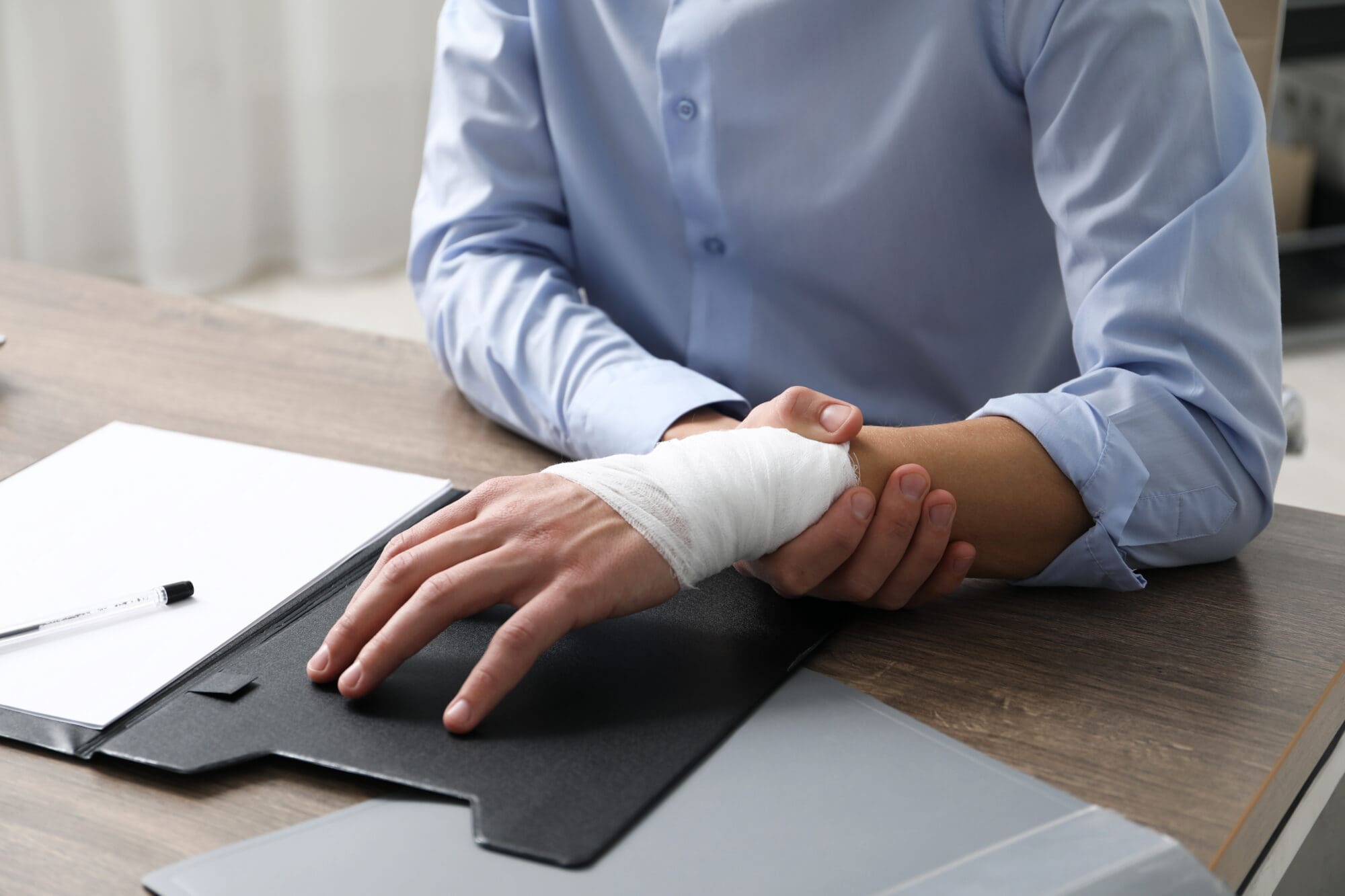
A customer injury claim usually involves someone outside the business alleging that they were hurt because of the company’s premises, operations, or negligence.
Common examples include:
• A customer slipping on a wet floor
• A visitor tripping over uneven flooring
• A client being injured during an on-site service appointment
• A customer being struck by falling merchandise
• An attendee getting hurt during a business event
Reviewing general liability insurance for business operations can help clarify how this coverage may respond to these types of claims.
How General Liability May Help
When a covered customer injury claim occurs, general liability insurance may help with medical costs, legal defense, settlements, or judgments, depending on the policy terms. This support can be especially important because even a minor injury can lead to unexpected expenses.
For more context, common general liability claim examples can help show how everyday incidents may become insurance matters.
What General Liability May Not Cover
General liability insurance is important, but it does not cover every injury or business risk. For example, employee injuries are usually handled through workers’ compensation coverage, not general liability. Professional mistakes, auto accidents, cyber incidents, or intentional acts may also require separate coverage.
That is why business owners should understand how policies work together. You can review how general liability compares with other policies to better understand where gaps may appear.
Prevention Still Matters
Insurance helps after a covered claim, but prevention is still essential. Businesses should regularly inspect walkways, entrances, restrooms, parking areas, displays, and workspaces. Employees should also know how to report hazards and document incidents quickly.
The Occupational Safety and Health Administration provides guidance on reducing slip, trip, and fall hazards, including housekeeping, walkway awareness, and hazard correction.
Key Takeaways
• General liability may help with certain customer bodily injury claims.
• Slips, trips, falls, and premises-related injuries are common examples.
• Employee injuries and professional errors usually require other coverage.
• Safety procedures and documentation can support better claim outcomes.
Frequently Asked Questions
Q: Does general liability insurance cover every customer injury?
A: No. Coverage depends on the policy terms, cause of injury, exclusions, and claim details.
Q: Does general liability cover employee injuries?
A: No. Employee injuries are typically addressed through workers’ compensation insurance.
Q: Should small businesses carry general liability insurance?
A: Many small businesses should consider it because customer injury and property damage claims can happen during normal operations.
Protecting Your Business From Customer Injury Claims
Customer injury claims can create financial stress, legal concerns, and operational disruption. General liability insurance can help protect your business when covered third-party injury claims arise, but it should be reviewed alongside your full insurance program. Contact us to discuss whether your current liability coverage fits your customer-facing operations.
Disclaimer: This article is for general informational purposes only and does not constitute legal, tax, or insurance advice. Specific coverage decisions should be discussed with a licensed insurance professional.