General liability insurance is one of the most important coverages for many small businesses, but it is also easy to misunderstand. For small businesses in Boerne, day-to-day risks may include customer visits, vendor activity, client appointments, job site work, and property damage claims. If coverage is outdated or misunderstood, a routine incident can become much more stressful.
Avoiding common mistakes can help business owners make better decisions before a claim happens.
Assuming Basic Coverage Is Always Enough
Many owners purchase general liability insurance when they first open and then rarely revisit it. That can create gaps as the business grows, adds services, or serves more customers.
Coverage limits that worked for a small startup may not be enough for a growing company. Reviewing general liability insurance for business operations can help clarify what this coverage supports and why limits matter.
Forgetting About Contract Requirements
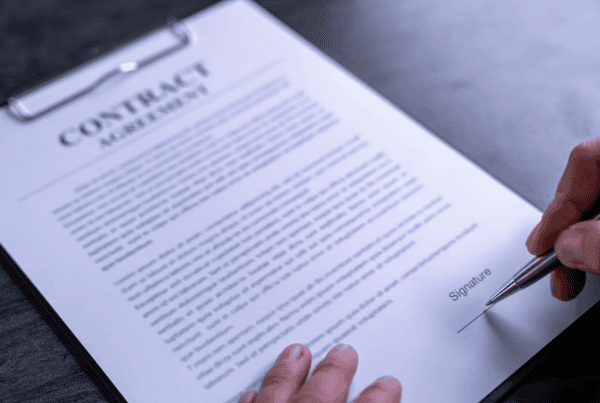
Boerne businesses that work with landlords, vendors, property managers, or larger clients may need to meet specific insurance requirements. Contracts may ask for higher liability limits, additional insured wording, or certificates of insurance.
A common mistake is signing agreements before confirming whether current coverage meets those terms. This can delay projects, create compliance problems, or force last-minute policy changes.
Not Understanding What General Liability Excludes
General liability is broad, but it does not cover every business risk. Employee injuries, professional mistakes, auto accidents, cyber incidents, and certain property losses usually require separate coverage.
For example, if an employee is injured on the job, workers’ compensation is typically the relevant coverage. If a business vehicle causes an accident, business auto insurance may apply instead.
You can review how general liability compares with other policies to better understand where coverage gaps can appear.
Overlooking Customer Injury Risks
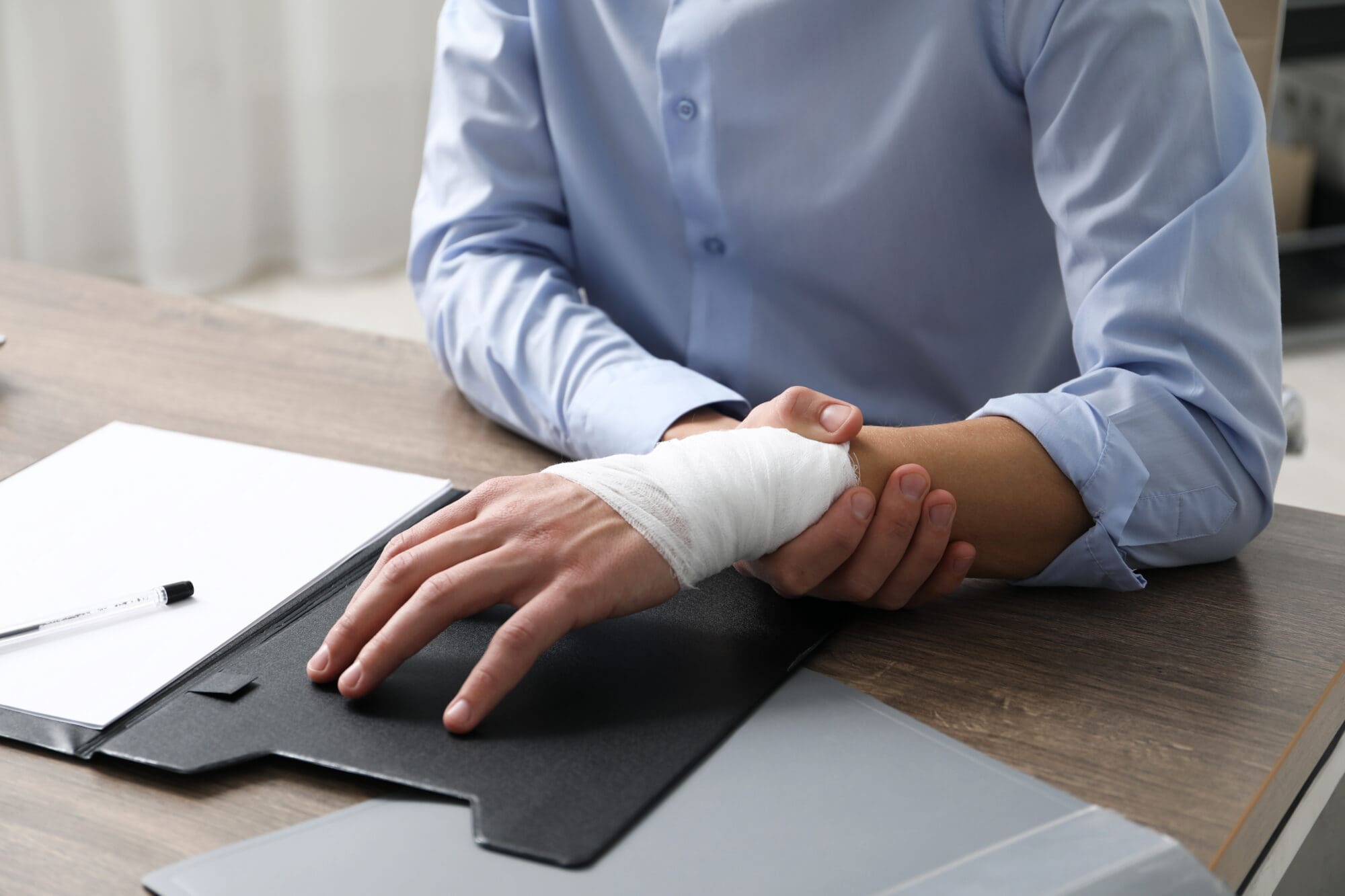
Slips, trips, falls, and other customer injuries can happen in retail stores, offices, restaurants, service locations, and job sites. Even small incidents can lead to medical bills, legal costs, or disputes.
The Occupational Safety and Health Administration provides guidance on reducing slip, trip, and fall hazards, including housekeeping, walkway safety, and hazard awareness.
Business owners should also review common liability claim examples to see how everyday incidents may turn into claims.
Failing to Update Coverage as Operations Change
A business may add outdoor seating, new services, mobile work, seasonal events, subcontractors, or more customer traffic. Each change can affect liability exposure.
If your policy still reflects how the business operated years ago, it may not match current risks. Regular reviews help keep coverage aligned with real operations.
Key Takeaways
• General liability limits should be reviewed as the business grows.
• Contracts may require specific limits or additional insured wording.
• General liability does not cover every type of claim.
• Customer injury risks should be addressed through safety practices and coverage reviews.
Frequently Asked Questions
Q: Does general liability cover all customer injuries?
A: Not always. Coverage depends on the policy terms, claim details, and exclusions.
Q: Do small businesses need to review liability coverage every year?
A: Yes. Business operations, contracts, customer traffic, and services can change over time.
Q: What is the biggest mistake with general liability insurance?
A: Assuming the policy still fits without reviewing current operations and contract requirements.
Reviewing Your Liability Protection
Small businesses in Boerne can reduce uncertainty by reviewing general liability insurance before claims or contract issues arise. A focused review can help identify outdated limits, exclusions, and coverage gaps. Contact us to discuss whether your current liability coverage fits how your business operates today.
Disclaimer: This article is for general informational purposes only and does not constitute legal, tax, or insurance advice. Specific coverage decisions should be discussed with a licensed insurance professional.